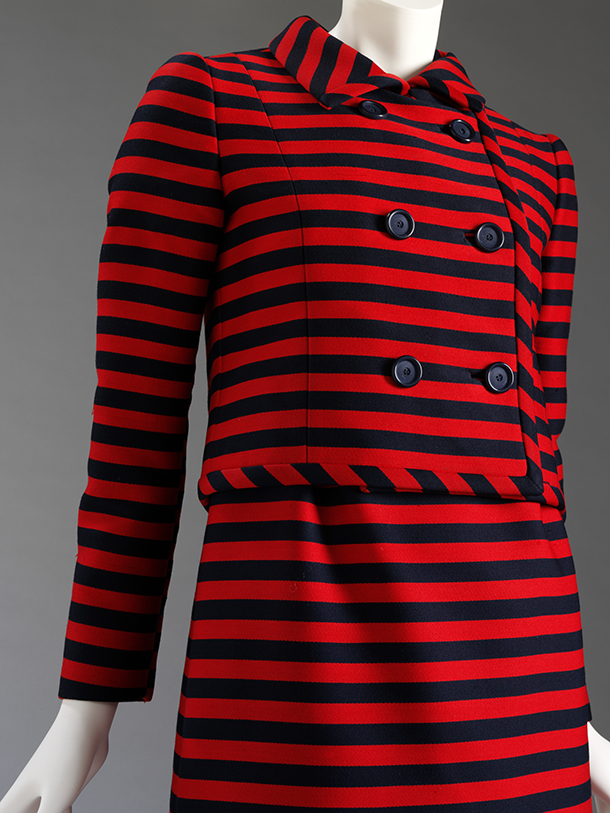
A trip to the V& A ..
There was a lot of use information on italaian fashion.. i will need to go bakc and revisit again..
The Glamour of Italian Fashion 1945 - 2014: About the Exhibition

5 April - 27 July 2014
The exhibition examines Italy's dramatic transition from post-war ruins to the luxury paraded in the landmark ‘Sala Bianca’ catwalk shows held in Florence in the 1950s, which propelled Italian fashion onto the world stage. During the 1950s and '60s the many Hollywood films that were shot on location in Italy had an enormous impact on fashion as stars like Audrey Hepburn and Elizabeth Taylor became style ambassadors for Italian fashion, fuelling a keen international appetite for luxurious clothing made in Italy. On display are around 100 ensembles and accessories by leading Italian fashion houses including Simonetta, Pucci, Sorelle Fontana, Valentino, Gucci, Missoni, Giorgio Armani, Dolce & Gabbana, Marni, Fendi, Prada and Versace, through to the next generation of fashion talent.
Return to Luxury

In 1945, Italy’s post-war government aimed to reinvigorate a country weakened in spirit and in physical and financial ruin. With American aid provided through the Marshall Plan, the swift retooling of Italian factories alongside efforts by the country’s many entrepreneurs helped fashion become a cornerstone of Italy’s post-war recovery.
In 1951, Giovanni Battista Giorgini launched Italy’s first internationally recognised fashion shows. The following year, he secured the use of the Sala Bianca or ‘White Hall’, an opulent, chandelier-lit gallery in Florence’s Pitti Palace.
As clothing designers and textile manufacturers gradually resumed trading, their stylish designs responded to a hunger for glamour after years of wartime deprivation. Italian high fashion and fine tailoring became popular exports.


Tailoring
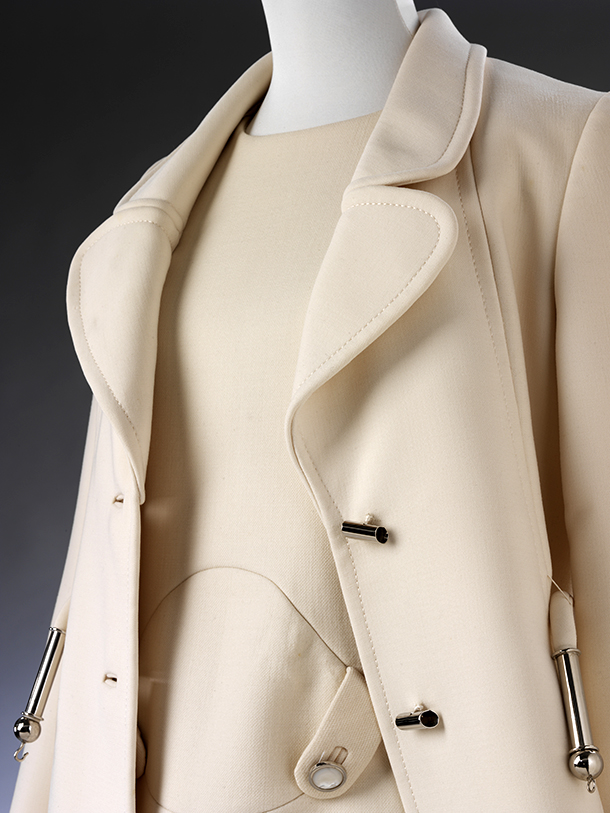
Enthusiasm for Italian tailoring – admired for being light, unstructured and sleek increased in the decades after the Second World War.
Italy’s reputation for tailored clothing developed internationally thanks to popular images of stylishly dressed Italian actors. Marcello Mastroianni’s trim suits in the 1960 film 'La Dolce Vita' did much to popularise the Italian suit worldwide. Both bespoke garments (made to measure for an individual client) and the increasingly popular ready-made suits were adopted by a growing international clientele.
A well-tailored suit requires precisely cut fabric and exact fit, along with fine finishing details. The smallest design elements, such as the shape of a pocket or sleeve, often differed from region to region. A Neapolitan suit could be distinguished from one produced in Rome.